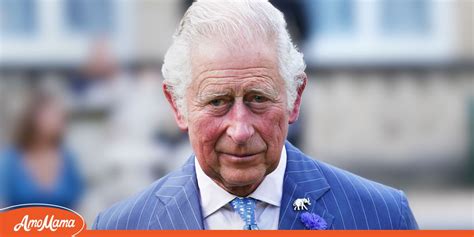
King Charles Hospitalized: Latest BBC News Update Hey guys, let’s dive into some pretty significant news that recently hit the airwaves, especially across
BBC News
: the
King Charles hospital visit
. It’s always a big deal when a member of the Royal Family, particularly the monarch, faces a health issue, and this particular event brought a lot of attention. We’re talking about King Charles III undergoing a procedure, and the details, as reported by outlets like the BBC, give us a closer look at royal health announcements and how the public reacts. It’s not every day you hear about the King heading into a hospital, so naturally, there’s a lot of interest and a bit of concern. We’ll explore exactly what went down, what the
BBC News
reports highlighted, and what this means for His Majesty and the Royal Household moving forward. Get ready to unpack all the angles, from the initial announcement to the public’s response and the broader implications for royal duties. This isn’t just a simple news story; it’s a moment that reminds us that even monarchs are human and sometimes need a bit of medical attention. It’s fascinating how quickly information spreads in our digital age, and how a reputable source like
BBC News
becomes the go-to for accurate, verified facts during such sensitive times. The public’s keen interest in
King Charles’s health
underscores the deep connection many feel towards the monarchy, and understanding the specifics of his medical situation helps to contextualize the narrative beyond mere headlines. We’ll delve into the type of procedure he underwent, the ripple effect on his royal engagements, and the collective well-wishes that poured in from around the globe. This comprehensive look aims to provide you with all the essential details, making sense of a truly remarkable moment in recent royal history. ## The Initial Report: What We Know from BBC News The initial news regarding
King Charles’s hospitalization
sent a ripple through the UK and indeed, around the world, largely thanks to comprehensive coverage from
BBC News
. Seriously, guys, when the BBC breaks a royal health story, everyone pays attention. Buckingham Palace was quick to issue a statement, which was then widely disseminated by the national broadcaster. The official announcement clarified that His Majesty was set to undergo a “corrective procedure” for an enlarged prostate. This wasn’t framed as an emergency, which was a crucial detail for reassuring the public, but rather a planned visit.
BBC News
analysts and royal correspondents immediately jumped into action, providing context and expert commentary. They emphasized that the King’s condition was benign, meaning non-cancerous, which was a huge relief for many. The news came out around the same time as reports regarding Catherine, Princess of Wales, also undergoing abdominal surgery, creating a dual focus on royal health.
BBC News
meticulously detailed the timeline, from the palace’s statement to the King’s admission to The London Clinic, a private hospital renowned for its high standards and discretion, which has previously treated other members of the Royal Family. The reporting wasn’t just about the facts; it also focused on the immediate public reaction. There was a palpable sense of concern mixed with well wishes flooding social media and traditional media channels. The way
BBC News
handled it was pretty exemplary, focusing on verified information directly from the Palace and avoiding speculation. They even brought on medical experts to explain what an enlarged prostate, or benign prostatic hyperplasia (BPH), actually entails, which was incredibly helpful for the public to understand the
King’s health issue
without unnecessary alarm. This approach underscored their commitment to providing reliable, informative content, especially when it concerns something as sensitive as the monarch’s health. They reported that the King’s public engagements would be postponed for a short period of recuperation, clearly communicating the temporary nature of his absence from official duties. This initial report really set the stage for how the public understood the situation: a common health issue, addressed proactively, with a clear recovery plan. It’s always fascinating to see how royal news, particularly concerning health, is managed and conveyed to maintain public confidence and transparency, and
BBC News
played a pivotal role in this initial phase. The careful wording from the Palace, reiterated by the BBC, prevented undue panic and allowed for a calm, measured public response, focusing on the King’s well-being. This level of detail and professionalism truly distinguishes
BBC News
in its coverage of royal affairs. ## Understanding the Procedure: King Charles’s Health Delving deeper into
King Charles’s health
situation, it’s important for us to understand exactly what this “corrective procedure” for an enlarged prostate entails. For many guys, an enlarged prostate is a pretty common condition, especially as we get older. Officially known as Benign Prostatic Hyperplasia, or BPH, it’s not cancer, but it can cause uncomfortable urinary symptoms because the prostate gland, which surrounds the urethra, grows and can put pressure on it.
BBC News
was great about explaining this, bringing on medical experts to break down the technical jargon into something understandable for everyone watching or listening. They highlighted that while it’s a common condition, it can significantly impact a man’s quality of life if left untreated. Symptoms can include frequent urination, difficulty starting to urinate, a weak stream, and the feeling that the bladder isn’t fully empty. The King’s decision to openly discuss his diagnosis was quite significant, you know? It helped to raise awareness about BPH, encouraging other men, especially those of a similar age, to get checked out. This move was widely praised by health organizations, recognizing the “King Charles effect” in destigmatizing a common male health issue. The specific procedure King Charles underwent wasn’t detailed in full by the Palace or
BBC News
, maintaining some privacy, but generally, corrective procedures for BPH can range from medication to various surgical options. These might include transurethral resection of the prostate (TURP), laser surgery, or other minimally invasive techniques aimed at removing excess prostate tissue or widening the urethra. The recovery time varies depending on the procedure, but typically involves a short hospital stay and a period of rest and recuperation at home. The
BBC News
reports continuously emphasized the planned nature of the operation, underscoring that this was not an urgent, sudden crisis, but a scheduled medical intervention aimed at improving His Majesty’s long-term health and comfort. This distinction was vital in managing public perception and concern. The coverage also touched upon the fact that even monarchs, with all their privileges, are susceptible to common health ailments, grounding the Royal Family in a relatable way. It was a clear message that
King Charles’s health
was being managed proactively, with the best medical care available, to ensure he could continue his demanding role effectively after a period of recovery. The emphasis on the “corrective” aspect rather than “emergency” was a key takeaway from the entire
BBC News
narrative surrounding this event, reassuring the nation that while serious, the situation was under control and had a positive outlook. This level of transparency, coupled with clear explanations, truly helped demystify the situation for the general public, turning a potentially alarming health scare into an educational moment about men’s health, an often-overlooked area. ## Public Reaction and Royal Family Support The news of
King Charles’s hospitalization
, as reported by
BBC News
, naturally elicited a significant public reaction, both in the UK and globally. Guys, when it comes to the Royal Family, people really care, and their health concerns often become a topic of national conversation. The immediate response was an outpouring of well wishes and messages of support for His Majesty. Social media platforms were abuzz with #KingCharles and messages hoping for a swift and full recovery. Traditional media, particularly local and regional news outlets, echoed these sentiments, with many people interviewed expressing genuine concern for the King’s well-being. It wasn’t just about him being the monarch; it was also about him being a familiar figure who has been in the public eye for decades. This shared sense of well-wishing creates a unique bond between the public and the Royal Family, where even seemingly private health matters become a collective concern.
BBC News
played a crucial role in capturing and reflecting this public sentiment, often showing clips of people outside Buckingham Palace or Windsor Castle, offering their thoughts. Beyond the general public, the Royal Family itself demonstrated a strong front of support, which was also a key focus of
BBC News
reporting. Queen Camilla was notably present, visiting the King at The London Clinic on multiple occasions during his stay. These visits were often captured by photographers and reported on by the BBC, sending a clear message of solidarity and care within the family. It underscored the fact that while he is the King, he is also a husband, and in need of his wife’s support during a medical procedure. Other senior members of the Royal Family, though not always physically present at the hospital, were understood to be fully aware and supportive. Prince William, for example, adjusted his own schedule to be there for his wife, Catherine, who was in the same hospital recovering from her own surgery, demonstrating a very human side to the often-formal monarchy. This proximity of the two major royal health stories—King Charles and Princess Catherine—at the same medical facility added another layer of public interest and amplified the narrative of family resilience. The Palace, through its official statements, maintained a balance between providing essential updates and respecting the King’s privacy.
BBC News
carefully relayed these statements, ensuring that the public received accurate and timely information without intruding excessively. This delicate dance of transparency versus privacy is always a challenge for royal reporting, and the BBC navigated it with considerable skill. The public appreciated the openness around the
benign
nature of the King’s condition, which helped prevent wild speculation. Many saw his candor as a positive step, encouraging men to address their own health concerns. In essence, the entire episode, as chronicled by
BBC News
, showcased not only the King’s personal health journey but also the enduring connection between the British monarchy and its people, as well as the strong internal support system within the Royal Family during times of personal challenge. It painted a picture of a human institution, albeit a royal one, facing common health issues with dignity and familial love, making the King seem even more relatable to ordinary people. ## The Implications for Royal Duties The
King Charles hospital visit
and subsequent recovery period naturally brought up questions about the immediate and short-term implications for royal duties, a topic meticulously covered by
BBC News
. For a monarch, stepping away from official engagements, even temporarily, is a significant event. Buckingham Palace was quick to confirm that the King’s public engagements would be postponed for a brief period of recuperation. This was a necessary and sensible measure, allowing His Majesty to focus entirely on his recovery without the added pressure of official duties.
BBC News
reports clarified that while public-facing events would be paused, the King would still be able to undertake “light duties” from home, such as reviewing official papers and holding private audiences. This distinction is crucial, as it meant that the machinery of state wasn’t completely grinding to a halt, but rather adjusting to the King’s temporary physical limitations. The continuity of the monarchy is paramount, and during such times, the roles of other senior royals, particularly Queen Camilla, become even more pronounced.
BBC News
highlighted Queen Camilla’s increased visibility and active role during this period. She continued with her planned engagements, often providing updates on the King’s condition in a casual, reassuring manner to the public and press. Her presence and calm demeanor served as a steady hand, ensuring that the Royal Family remained visible and active despite the King’s temporary withdrawal from public life. This showcased the strength of the monarchical institution and its ability to adapt during periods of royal illness or absence. There was no need for regency, as the King was merely recuperating and not incapacitated, a point that
BBC News
made clear to prevent any constitutional speculation. Furthermore, the postponement of engagements means a slight reshuffling of the royal calendar, affecting events that were planned for the immediate future. For instance, any scheduled meetings with ambassadors, investitures, or major public appearances would have needed to be rearranged.
BBC News
often provided context on the typical workload of the monarch, helping the public understand the scope of the adjustments being made. It’s a testament to the efficient planning of the Royal Household that such transitions can be managed smoothly. The reports also indirectly touched upon the importance of planning for succession and continuity, even though this particular health issue was minor and temporary. It serves as a reminder that the monarchy is a long-standing institution that relies on its members to step up when needed. Ultimately, the
BBC News
coverage ensured that the public understood that while the King’s health was the priority, the core functions of the monarchy were continuing, albeit with necessary modifications, thanks to the support of Queen Camilla and the Royal Household. This balance between personal recovery and institutional duty was a key narrative throughout the entire episode, emphasizing resilience and adaptability within the British monarchy, even in the face of unexpected personal challenges. ## Media Scrutiny and Ethical Reporting Finally, let’s talk about the media scrutiny surrounding
King Charles’s hospitalization
and, specifically, the ethical reporting standards upheld by outlets like
BBC News
. Guys, when a royal health story breaks, it’s a huge deal, and the media spotlight can be incredibly intense. There’s a fine line between informing the public, which has a legitimate interest in the health of its head of state, and respecting personal privacy.
BBC News
generally handled this delicate balance with considerable professionalism. From the outset, their reporting was grounded in official statements from Buckingham Palace, ensuring accuracy and preventing the spread of unverified rumors or speculation. This commitment to verified sources is a hallmark of ethical journalism, especially in high-stakes situations involving public figures. They avoided sensationalism, focusing instead on conveying the facts clearly and calmly. The challenge for any media outlet in such a scenario is to satisfy public curiosity without resorting to invasive tactics.
BBC News
navigated this by providing medical context through expert interviews, explaining what an enlarged prostate is, rather than trying to pry into the King’s specific medical details beyond what was officially released. This approach not only informed the public but also educated them on a common health issue, turning a royal news story into a public health moment. They reported on Queen Camilla’s visits to the hospital, for instance, but generally maintained a respectful distance, not hounding her for details beyond what she chose to share voluntarily. This contrasts sharply with some tabloid coverage which, at times, can push the boundaries of privacy. Furthermore, the dual health stories of King Charles and Princess Catherine, both receiving treatment at The London Clinic, presented a unique challenge.
BBC News
was careful to report on each situation distinctly, while acknowledging their shared location, without merging the narratives in a way that might sensationalize or diminish the individual gravity of each case. They demonstrated careful editorial judgment, ensuring that while the public was kept informed, the individuals’ rights to dignity and a measure of privacy during recovery were respected. The discussions on
BBC News
often included perspectives on the
importance of transparency in royal health matters
versus the need for personal space, highlighting the ongoing debate within royal reporting. This responsible approach by
BBC News
helps to build and maintain public trust, which is crucial for a national broadcaster. By sticking to facts, providing context, and refraining from speculation, they effectively managed a sensitive story. It reinforces the idea that informing the public doesn’t have to come at the expense of ethical considerations or basic human respect. For those following the
King Charles hospital visit
, the
BBC News
coverage offered a reliable and thoughtful source of information, distinguishing itself in a crowded and often aggressive media landscape. It truly showed how impactful and important good journalism is, especially when dealing with such high-profile figures and delicate situations, ensuring public understanding without compromising on integrity. So, there you have it, guys. The
King Charles hospital visit
, as extensively covered by
BBC News
, was more than just a fleeting headline. It was a moment that underscored the human element of the monarchy, raised awareness for a common health issue, and highlighted the careful balance media outlets must strike between informing the public and respecting privacy. From the initial, reassuring announcement of a
benign prostate condition
to the detailed reports of his procedure and recovery,
BBC News
provided a comprehensive and responsible account. The public’s outpouring of support, coupled with the visible solidarity within the Royal Family, truly showcased the enduring connection between the monarch and his people. As King Charles continues his recovery and gradually resumes his full duties, this episode serves as a powerful reminder that even those at the very top are susceptible to the same health challenges as anyone else, and that transparent, ethical reporting is key to navigating such moments with dignity and trust. His candor in sharing his diagnosis set a positive precedent, encouraging open conversations about men’s health, an often-overlooked area. This whole situation, expertly managed by both the Palace and the media, ultimately reinforced the monarchy’s enduring relevance and its capacity to connect with the public on a very human level.
