LSPDFR Traffic Stop Guide: Master The Codes & Skills
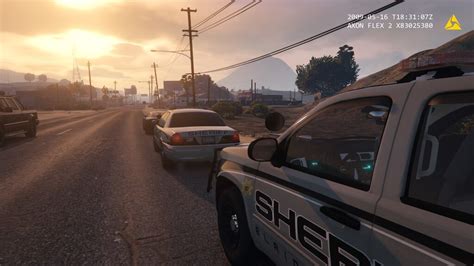
LSPDFR Traffic Stop Guide: Master the Codes & Skills
Hey guys, ever wondered how to really nail those
LSPDFR traffic stops
and feel like a true virtual law enforcement officer? Well, you’ve come to the right place! Diving into the world of
LSPDFR traffic stops
in Grand Theft Auto V can be one of the most immersive and rewarding experiences the mod offers. It’s not just about pulling someone over; it’s about understanding the
LSPDFR traffic stop codes
, the procedures, the commands, and the art of interaction that makes each stop unique and realistic. If you’re looking to elevate your game from a basic stop-and-go to a truly engaging role-playing scenario, then mastering these
LSPDFR traffic stop codes
and techniques is absolutely essential. We’re going to break down everything you need to know, from the moment you hit your lights to the final outcome, ensuring your virtual police career is as authentic and thrilling as possible. So, buckle up, because we’re about to make you a pro at handling any
LSPDFR traffic stop
that comes your way!
Table of Contents
- Decoding LSPDFR Traffic Stop Codes: What You Need to Know
- Essential Commands and Keybinds for LSPDFR Traffic Stops
- Initiating a LSPDFR Traffic Stop: Safety and Procedure
- Interacting with Occupants During Your LSPDFR Traffic Stop
- Concluding the LSPDFR Traffic Stop: Citations, Arrests, and Warnings
- Advanced Tips for Realistic LSPDFR Traffic Stops
- Conclusion
Decoding LSPDFR Traffic Stop Codes: What You Need to Know
Let’s get straight to it: when we talk about
LSPDFR traffic stop codes
, we’re not just referring to some cryptic numeric or alphanumeric sequences. Instead, think of these
LSPDFR traffic stop codes
as the
entire framework
of interactive options, commands, and procedural guidelines that govern how you, as a virtual officer, conduct a traffic stop in LSPDFR. These
LSPDFR traffic stop codes
are essentially the backbone of your interaction, providing the tools you need to engage with civilians, assess situations, and enforce the law with a high degree of realism. Their primary purpose is to enhance the immersive role-playing experience, allowing you to go far beyond simply pulling a vehicle over. They dictate how you request documentation, how you instruct a driver, how you search a vehicle, and ultimately, how you conclude the stop. Understanding these
LSPDFR traffic stop codes
means grasping the flow of a stop, knowing what options are available to you at each stage, and being able to make informed decisions in dynamic situations.
Imagine this: you’ve just spotted a vehicle speeding or swerving, and you decide to initiate an
LSPDFR traffic stop
. From that very moment, you’re engaging with a series of
LSPDFR traffic stop codes
– whether it’s the specific keybind to activate your lights and sirens, the radial menu options to request a license and registration, or the dialogue choices to question a suspect. These aren’t just random inputs; they’re designed to simulate real-world police procedures, forcing you to think strategically about officer safety, legal compliance, and de-escalation tactics. For instance, knowing which
LSPDFR traffic stop commands
to use when a driver is non-compliant, or when to call for backup, becomes crucial. The
depth
of these
LSPDFR traffic stop codes
is truly impressive, offering a robust set of choices that allow for a multitude of outcomes. You might encounter a cooperative driver who just forgot their wallet, or a hostile suspect with outstanding warrants. Each scenario requires a different application of your
LSPDFR traffic stop codes
knowledge, making every stop a unique challenge.
Furthermore, the evolution of LSPDFR through various updates and community-made plugins has expanded the range of
LSPDFR traffic stop codes
even further. Plugins like
Stop the Ped
,
Ultimate Backup
, and
Interaction+
introduce even more granular
LSPDFR traffic stop commands
, dialogue options, and interactive elements, allowing for an incredibly detailed experience. This means mastering
LSPDFR traffic stop codes
isn’t a static achievement; it’s an ongoing process of learning and adapting to new functionalities. The more you familiarize yourself with these tools, the more authentic and rewarding your
LSPDFR traffic stops
will become. It’s about building muscle memory for the keybinds, understanding the context for each interaction, and developing the critical thinking skills of a virtual police officer. So, when you think
LSPDFR traffic stop codes
, think comprehensive procedural guidelines and interactive possibilities that bring your virtual patrol to life. It’s the key to truly dominating the streets and becoming the best virtual cop you can be!
Essential Commands and Keybinds for LSPDFR Traffic Stops
Alright, let’s get down to the nuts and bolts – the actual
commands
and
keybinds
that form the core of your
LSPDFR traffic stop codes
toolkit. Without these, your virtual police work would be pretty static, right? Think of these as your personal cheat sheet for navigating every
LSPDFR traffic stop
with precision and professionalism. Getting these down pat is absolutely fundamental to conducting smooth, realistic, and effective
LSPDFR traffic stops
. The better you know these, the more fluid your interactions will be, and the less you’ll find yourself fumbling around in a tense situation. Most players will be familiar with the absolute basics, but understanding the full range of options available via various
LSPDFR traffic stop commands
is what sets a good virtual officer apart from a great one.
First off, let’s talk about initiating the stop. The standard keybind to flash your lights and activate your siren is typically
Shift + R
. This is your go-to for signaling the vehicle to pull over. Once the vehicle is stopped, your primary interaction key is usually
E
. Pressing
E
when near the driver’s side will bring up the
interaction menu
, which is where the bulk of your
LSPDFR traffic stop codes
reside. This menu is a game-changer, offering a range of options from requesting documents to ordering occupants out of the car. Within this menu, you’ll commonly use
Y
for ‘yes’ and
N
for ‘no’ when responding to prompts or confirming actions. To navigate the menu itself, you’ll use your
arrow keys
or
mouse
. It’s crucial to explore this menu thoroughly, as it’s the gateway to executing nearly every
LSPDFR traffic stop command
you’ll need.
Beyond the basic interaction, let’s consider crucial actions like calling for backup or information. The
Ctrl
key, often paired with another key or used alone to open a radial menu, is frequently assigned to your police computer (MDT) or radio. This is where you’ll run license plates, check driver’s licenses, or call in for backup units.
Knowing your hotkeys for these actions is paramount for officer safety and efficiency during any
LSPDFR traffic stop
.
For instance, quickly running a plate before approaching the vehicle can give you vital information about potential warrants or a stolen vehicle, significantly changing how you approach the
LSPDFR traffic stop
. Furthermore, specific
LSPDFR traffic stop commands
might involve ordering a driver to turn off their engine, put their hands on the wheel, or step out of the vehicle. These are typically found within the
E
interaction menu, nested under various categories. Remember, the goal is to control the scene, and these
LSPDFR traffic stop codes
give you that power.
Now, let’s consider plugins like
Stop the Ped
, which drastically expand these
LSPDFR traffic stop commands
. This mod allows for incredibly detailed interactions, from asking specific questions about their day to conducting field sobriety tests. Each of these new options functions as an extended
LSPDFR traffic stop code
, giving you an even richer toolkit for your role-play. For example, you might be able to
frisk
a suspect,
search
their vehicle, or
perform breathalyzer tests
, all through newly introduced
LSPDFR traffic stop commands
and menu options. The key here is
customization
. LSPDFR allows you to adjust many keybinds in its settings menu. It’s highly recommended to go into your LSPDFR configuration, typically found in your GTA V directory under
LSPDFR/LSPDFR.ini
or through the in-game console, to review and
customize your keybinds
to something that feels natural and efficient for you.
Practicing these
LSPDFR traffic stop codes
regularly will build muscle memory
, making your interactions seamless and truly immersive. So, guys, take the time to learn these controls; they are the foundation of every successful and realistic
LSPDFR traffic stop
you’ll conduct!
Initiating a LSPDFR Traffic Stop: Safety and Procedure
Starting a
LSPDFR traffic stop
isn’t just about hitting the siren and flashing your lights; it’s a calculated, procedural dance that begins long before you even signal the driver. The initiation phase is
absolutely critical
for officer safety and for setting the tone of the entire
LSPDFR traffic stop
. This is where your professionalism and tactical awareness truly shine, laying the groundwork for a smooth and controlled interaction. Neglecting proper procedure here can lead to chaotic outcomes, so pay close attention to these vital
LSPDFR traffic stop codes
of conduct, even in the virtual world. Remember, a well-executed initiation makes the rest of your
LSPDFR traffic stop
significantly easier and safer, both for you and the virtual civilians.
First and foremost, spotting your target. Whether it’s a vehicle running a red light, speeding, or showing suspicious behavior, make sure you’ve got a valid reason for the
LSPDFR traffic stop
. Once you’ve identified your target, the first
LSPDFR traffic stop command
you’ll typically use is activating your lights and sirens (default
Shift + R
). Don’t just immediately slam on the sirens; maintain a
safe pursuit distance
. This means staying a few car lengths behind the vehicle, giving them space to react and pull over safely.
Aggressive tailgating
can cause the AI driver to panic or swerve erratically, which is not what you want during an
LSPDFR traffic stop
. As they begin to pull over, choose an
appropriate stopping location
. Avoid blind corners, busy intersections, or areas with poor visibility. A straight, well-lit section of road is ideal, ensuring clear sightlines and minimizing risks for both parties involved in the
LSPDFR traffic stop
.
Once the vehicle is slowing down, your next crucial step, which is an integral part of the
LSPDFR traffic stop codes
, is to
call in the stop
. This is usually done via your police computer (MDT) or radio (often accessible via
Ctrl
or a specific radial menu). You’ll want to report your
current location
, the
vehicle’s make, model, and color
, and if possible, the
license plate number
. This
LSPDFR traffic stop command
not only simulates real-world procedure but also ensures that if something goes south, dispatch knows where you are and can send backup. Immediately after calling it in, think about your
patrol car positioning
. The standard, safest approach for an
LSPDFR traffic stop
is the
offset position
. This means pulling up slightly behind and to the left of the stopped vehicle (or right, depending on the side of the road), creating a safety buffer. Your front wheels should be turned slightly to the left, and your vehicle should be angled, allowing you a better line of sight and cover if needed. This specific
LSPDFR traffic stop code
of positioning is vital for officer safety, protecting you from passing traffic and giving you a tactical advantage.
Finally, before you even step out of your patrol car,
observe the vehicle’s occupants
. Are they making sudden movements? Are they attempting to conceal anything? Are they visibly agitated? These observations are part of your initial
LSPDFR traffic stop codes
and can inform your approach. Approach the vehicle cautiously, keeping an eye on the driver’s hands. Use your flashlight if it’s nighttime (
Q
usually toggles vehicle lights/flashlights). The
psychology of an LSPDFR traffic stop
dictates that the officer maintains control and awareness. A calm, measured approach, combined with the correct application of these
LSPDFR traffic stop codes
for initiation, sets the stage for a successful and realistic interaction.
Remember, safety first, guys!
A proper initiation is the cornerstone of every professional
LSPDFR traffic stop
you’ll make.
Interacting with Occupants During Your LSPDFR Traffic Stop
Alright, you’ve successfully initiated the stop, positioned your vehicle, and called it in. Now comes the moment of truth:
interacting with the occupants
during your
LSPDFR traffic stop
. This phase is where your communication skills, observation, and understanding of
LSPDFR traffic stop codes
truly come into play. It’s not just about what you say, but how you say it, and how you react to the responses you get. Mastering this aspect of the
LSPDFR traffic stop
is crucial for maintaining control of the scene, de-escalating potential conflicts, and gathering the information you need to make an informed decision. Remember, every
LSPDFR traffic stop
is a unique scenario, and your ability to adapt using the right
LSPDFR traffic stop commands
is what makes you a standout virtual officer.
As you approach the vehicle, always keep an eye on the occupants.
Observe their hands
, their body language, and any sudden movements. Your approach should be confident but cautious, maintaining situational awareness. Once you reach the driver’s side window (or passenger side, if you’re feeling tactical!), you’ll use your primary interaction key (default
E
) to bring up the dialogue menu. This menu is a treasure trove of
LSPDFR traffic stop codes
and options. Your first priority is usually to establish contact and request documentation. Common dialogue options include: “License and Registration, please,” “Do you know why I pulled you over?” or “Good evening, officer so-and-so, what can I do for you?” (with mods like Stop the Ped).
Choosing the right opening line
sets the tone for the entire
LSPDFR traffic stop
.
As the interaction progresses, you’ll need to
observe behavior
closely. Are they cooperative? Are they nervous? Do they seem to be hiding something? The
LSPDFR traffic stop codes
allow you to respond dynamically. If the driver is cooperative, you can proceed smoothly through the documentation request. If they’re being uncooperative, you might need to use more firm
LSPDFR traffic stop commands
, such as “Step out of the vehicle!” or “Put your hands on the wheel!”. These verbal
LSPDFR traffic stop codes
are incredibly important for asserting your authority and ensuring officer safety. In scenarios involving multiple passengers, you’ll also have options to interact with them individually, ask them to identify themselves, or even order them out of the vehicle if suspicion arises. This granular control, offered through expanded
LSPDFR traffic stop commands
from various plugins, truly enhances the realism. For instance, with
Stop the Ped
, you can conduct a
field interview
, asking a series of questions to gauge their honesty or gather more information about their destination and purpose.
Requesting documentation is a core part of any
LSPDFR traffic stop
. Once you’ve asked for their license and registration, the AI will usually hand it over. You can then take these documents back to your patrol car to
run checks
through your MDT (
Ctrl
or assigned key). This is a crucial
LSPDFR traffic stop code
as it will reveal any outstanding warrants, if the vehicle is stolen, or if the driver has a suspended license. The information you get back from these checks will heavily influence the rest of your
LSPDFR traffic stop
. If you discover a warrant, your entire interaction shifts from a routine stop to a high-risk scenario, requiring immediate action and potentially calling for backup. Similarly, if you suspect impairment, you might initiate a
field sobriety test
, which again, is an advanced
LSPDFR traffic stop command
often provided by plugins. Maintaining a professional, calm demeanor, even when faced with aggressive or uncooperative individuals, is vital.
Clear communication
and precise use of
LSPDFR traffic stop codes
will allow you to control the scene effectively and bring the interaction to a safe conclusion. Remember, guys, your interaction with occupants is the heart of every
LSPDFR traffic stop
!
Concluding the LSPDFR Traffic Stop: Citations, Arrests, and Warnings
After all the exchanges, observations, and data gathering, it’s time to bring your
LSPDFR traffic stop
to a definitive close. This final phase requires critical decision-making, as you must choose the appropriate course of action based on everything you’ve learned. The conclusion of an
LSPDFR traffic stop
can range from a simple warning to a full-blown arrest, and understanding the
LSPDFR traffic stop codes
for each outcome is essential for a realistic and satisfying role-play experience. This is where your virtual police work culminates, determining the fate of the virtual citizen you’ve pulled over. Making the right call is paramount, not just for realism, but for the overall narrative of your patrol. Each of these
LSPDFR traffic stop commands
for ending the stop carries weight.
One of the most common outcomes for a minor infraction during an
LSPDFR traffic stop
is to
issue a citation
. If you’ve pulled someone over for speeding, a busted taillight, or an expired registration, a ticket is usually the appropriate response. Through your interaction menu (default
E
), you’ll find options to “Issue Citation” or “Write Ticket.” The game, especially with mods like
Stop the Ped
, often allows you to select the specific offense (e.g., speeding, illegal U-turn, seatbelt violation) and even customize the fine amount. This detailed application of
LSPDFR traffic stop codes
adds a fantastic layer of realism, as you’re not just generically giving a ticket, but specifying the violation. After issuing the citation, you’ll typically be prompted to
release the driver
, which marks the official end of that particular
LSPDFR traffic stop
for them. Remember to inform the driver of the violation and what they need to do next, mimicking real-world police procedure.
However, not every
LSPDFR traffic stop
ends with a simple citation. If your checks reveal
outstanding warrants
, if the driver is clearly
intoxicated
(DUI), or if they become
combative
and resist arrest, then an
arrest
is the necessary
LSPDFR traffic stop code
. To initiate an arrest, you’ll generally find the “Arrest Suspect” option in your interaction menu. This will prompt you to cuff the individual. Once cuffed, your next step is to
call for a transport unit
. This is another crucial
LSPDFR traffic stop command
, usually done through your radio or MDT (
Ctrl
or assigned key), requesting a patrol transport or prisoner vehicle. While waiting for transport, you might also need to
search the suspect
(pat down) for weapons or contraband, which is another
LSPDFR traffic stop code
available in your menu. If the vehicle is involved in a crime or needs to be impounded, you’ll also have the option to
call for a tow truck
or
vehicle impound unit
.
Finally, for minor infractions or as a gesture of discretion, you might choose to
issue a warning
. This is an excellent
LSPDFR traffic stop code
to use for truly casual role-play or when you want to show a bit of leniency. Instead of a citation, you can select “Issue Warning” from your menu. This option adds a layer of humanity to your virtual policing, allowing you to give someone a break while still making them aware of their mistake. After making your decision (citation, arrest, or warning), and ensuring all necessary follow-up actions like calling transport or a tow truck are completed, the final
LSPDFR traffic stop command
is usually to “Clear the scene” or simply drive away. The decision-making process at this stage is truly what defines your role as an officer in LSPDFR, adding immense depth to your
LSPDFR traffic stops
. Guys, mastering these outcomes means you’ve truly understood the flow and responsibilities of an LSPDFR officer, from start to finish!
Advanced Tips for Realistic LSPDFR Traffic Stops
Alright, you’ve got the basics down, you understand the
LSPDFR traffic stop codes
, and you’re feeling pretty confident with your
LSPDFR traffic stops
. But what if you want to take your game to the next level? What if you want to make every
LSPDFR traffic stop
feel less like a game and more like a live-action police simulation? Well, my friends, that’s where these advanced tips come in. Going beyond the default LSPDFR experience involves leveraging community-made plugins, embracing deeper role-playing, and constantly refining your tactical approach. These are the
pro-level secrets
that elevate your virtual policing from good to
legendary
, ensuring every
LSPDFR traffic stop
is an unforgettable experience.
First and foremost, let’s talk about
supplementary plugins
. While LSPDFR is fantastic on its own, its true power lies in its expandability. Mods like
Stop the Ped (STP)
are absolutely indispensable. STP enhances the
LSPDFR traffic stop codes
by introducing a massive array of new dialogue options, allowing you to ask more specific questions, conduct field sobriety tests, perform more thorough pat-downs, and even engage in casual conversation. This makes your
LSPDFR traffic stops
feel incredibly dynamic and less repetitive. Another must-have is
Ultimate Backup
, which gives you more granular control over your backup units – calling for K9, air support, even SWAT if a
LSPDFR traffic stop
escalates. Then there’s
Interaction+
, which adds even more realistic animations and contextual interactions, making your
LSPDFR traffic stop commands
feel smoother and more natural.
Callouts V
provides a constant stream of diverse scenarios, ensuring you’re always encountering new challenges, some of which might originate from an
LSPDFR traffic stop
that goes sideways. Integrating these tools is key to unlocking the full potential of your
LSPDFR traffic stop
experience, adding layers of complexity and realism that the base mod simply can’t offer.
Next up,
role-playing immersion
. This isn’t just about using the right
LSPDFR traffic stop codes
; it’s about
thinking like a real officer
. Use proper radio etiquette – announce your status, location, and actions in a concise, professional manner. Instead of just pressing a key, narrate your actions in your head (or even out loud!). “10-4 dispatch, I’m initiating a traffic stop, 10-23, on a black Sultan, license plate 5RYG678, heading southbound on Del Perro Freeway.” This internal monologue, or even external if you’re streaming, makes every
LSPDFR traffic stop
feel more significant. Consider the time of day, weather conditions, and surrounding environment. Would a real officer conduct a high-risk stop in a crowded shopping center during rush hour? Probably not without extreme caution.
Embrace the nuances of policing
, and your
LSPDFR traffic stops
will thank you for it. This means understanding when to be firm, when to de-escalate, and when to call for additional resources. It’s about making decisions that prioritize officer safety and the safety of the public, which are fundamental
LSPDFR traffic stop codes
in real life.
Finally, let’s talk about
handling different scenarios
and continuous learning. Not every
LSPDFR traffic stop
will be routine. You’ll encounter high-risk felony stops, vehicle searches with contraband, and uncooperative individuals who resist arrest.
Practice these scenarios!
Learn how to perform a proper felony stop (driver and passengers ordered out at gunpoint, hands up), how to conduct a thorough vehicle search, and how to manage a foot pursuit that might erupt from a simple
LSPDFR traffic stop
. Furthermore,
modding for realism
isn’t just about plugins; it’s about visual and auditory enhancements. Install realistic vehicle packs, uniform packs, and siren packs to truly sell the illusion. Realistic lighting and weather mods can drastically change the atmosphere of your
LSPDFR traffic stops
. Remember,
mastering LSPDFR traffic stops
is an ongoing journey. Watch videos of real-life police stops (for educational purposes, of course!), learn from your mistakes, and constantly experiment with new
LSPDFR traffic stop commands
and plugins. The more you put into it, the more rewarding and realistic your virtual policing career will become. So, get out there, guys, and make those streets safe, one perfectly executed
LSPDFR traffic stop
at a time!
Conclusion
And there you have it, guys! We’ve covered a ton of ground, from the very definition of
LSPDFR traffic stop codes
to advanced techniques that make your virtual police work truly shine. It’s clear that mastering
LSPDFR traffic stops
is much more than just hitting a few keys; it’s about understanding a comprehensive system of commands, procedures, and tactical decisions that make every single stop a unique and immersive experience. By embracing the core
LSPDFR traffic stop codes
, utilizing essential keybinds, and diving into the rich world of community-made plugins, you’re not just playing a game – you’re stepping into the shoes of a dedicated virtual law enforcement officer.
Remember, whether you’re issuing a friendly warning, writing a detailed citation, or making a high-stakes arrest, your knowledge of
LSPDFR traffic stop codes
and your ability to apply them strategically will define your success. So, keep practicing, keep learning, and don’t be afraid to experiment with different approaches. The streets of Los Santos are waiting for a skilled and professional officer like you to maintain order, one perfectly executed
LSPDFR traffic stop
at a time. Go forth, be safe, and most importantly, have an absolute blast enforcing the law in your virtual patrol car!
